Longford joins All-Ireland call to track squirrels and pine martens
Project invites people to become citizen scientists by recording sightings of woodland mammals
Press Release: Friday, 10 April 2026
Longford County Council is backing a major nationwide survey asking the public to record sightings of red and grey squirrels and pine martens across the island of Ireland throughout 2026.
The next time you walk through a Longford forest, look up. The flash of russet fur in the branches above you, or a half-eaten pine cone on the path, could be exactly what scientists need. This project invites people to become citizen scientists by submitting sightings of some of Ireland’s most iconic woodland mammals.
The survey is led by researchers at University of Galway, Ulster Wildlife and the Vincent Wildlife Trust. It aims to map the current distribution of red and grey squirrels and pine martens across the island of Ireland. Adam Mulvihill, Biodiversity Officer with Longford County Council, is encouraging everyone to report their sightings to help researchers build a detailed picture of how these populations are changing.
Cathaoirleach of Longford County Council, Cllr Garry Murtagh said, “Longford’s forests are home to some of Ireland’s most remarkable wildlife. This survey is a chance for every one of our residents — whether they walk the woods every day or only on occasion — to play a direct part in protecting it. A simple sighting, recorded online, can make a real difference to how we manage and conserve these species for generations to come.”
Chief Executive of Longford County Council, Paddy Mahon said, “Longford County Council is proud to support this survey. We know from previous research that pine martens and red squirrel numbers are recovering well in the midlands, and our county sits at the heart of that story. Gathering this data will allow researchers and local authorities alike to make better, more informed decisions about habitat management and wildlife conservation across the region.”
The 2026 survey is supported by the National Biodiversity Data Centre in the Republic of Ireland and CEDaR in Northern Ireland. Sightings can be recorded on their websites: www.biodiversityireland.ie and www2.habitas.org.uk/records.
The survey is part of a long-running monitoring programme, with previous surveys carried out on four occasions since 1997, providing vital insights into long-term trends and conservation success
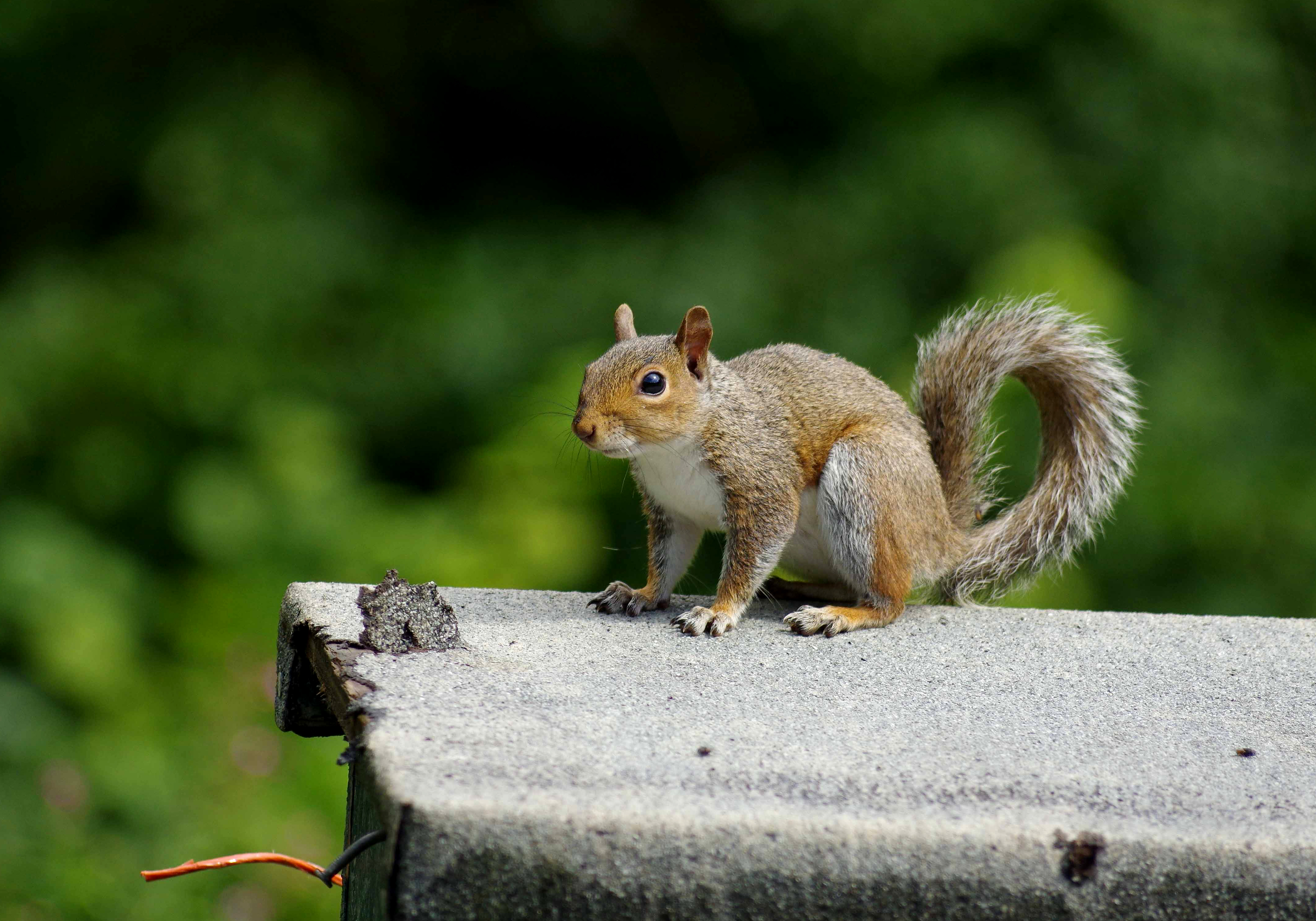
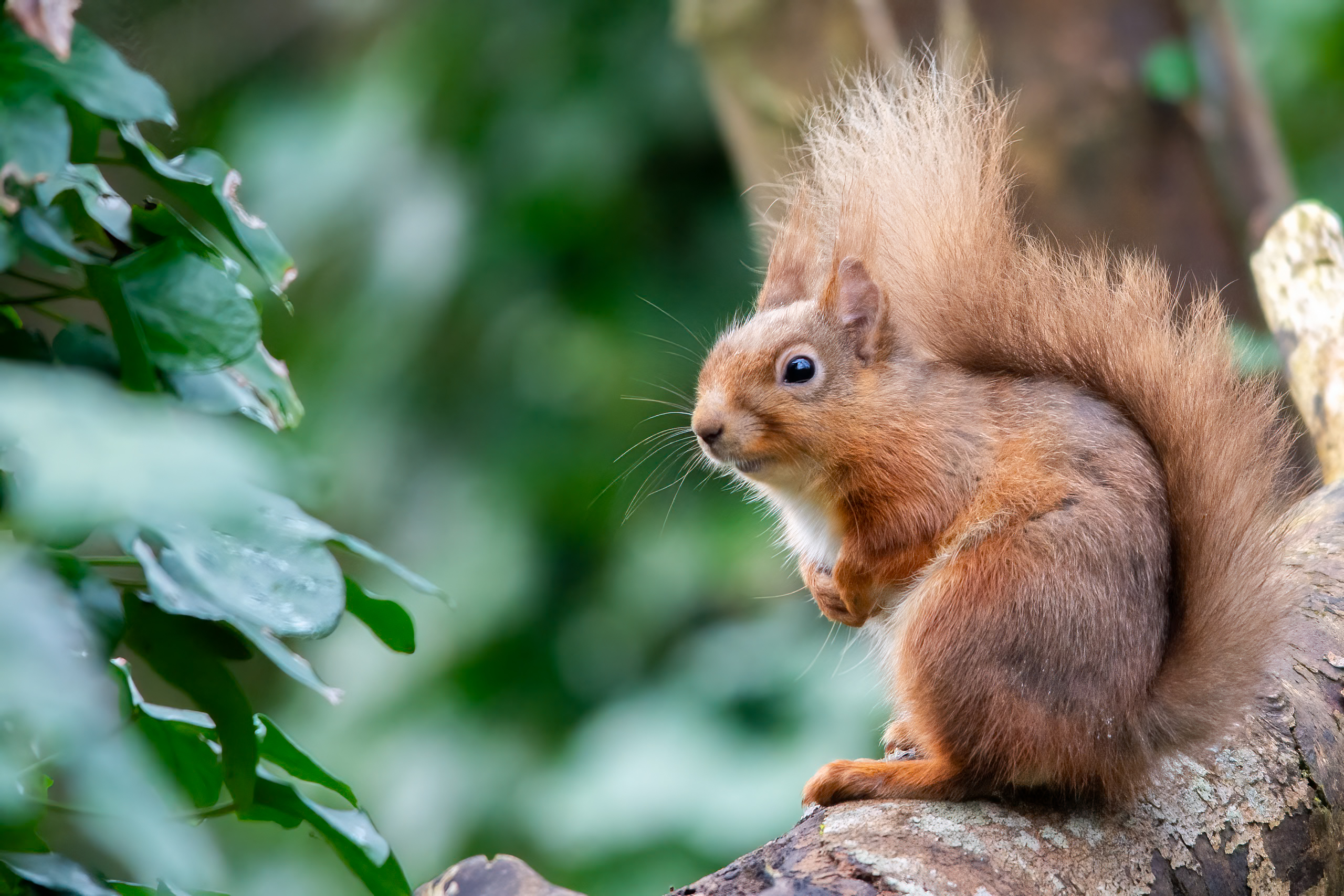
The red squirrel is Ireland’s only native squirrel. Once common in woodlands across the country, it has spent much of the past century losing ground to the grey squirrel, introduced in 1911. Grey squirrels carry a disease to which reds have no resistance, and they outcompete reds for food. In many parts of Ireland, red squirrels simply disappeared.
In recent years, however, something unexpected has happened. Grey squirrel numbers have fallen sharply in several midland counties, while red squirrel populations have begun to recover. Research points to one likely cause: the pine marten.
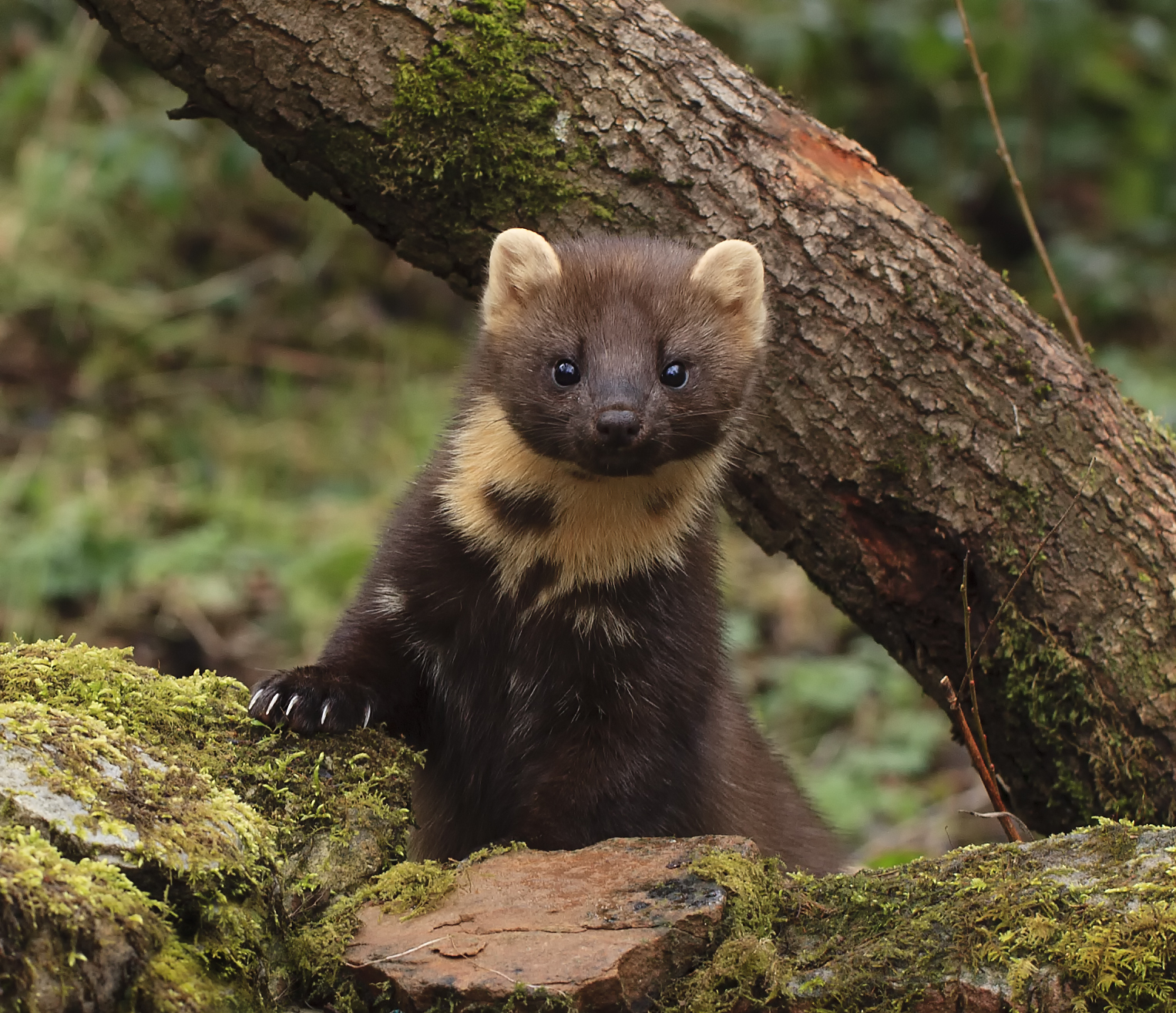
Pine martens are native tree-dwelling carnivores, agile enough to catch grey squirrels but met with greater resistance from reds, which evolved alongside them over millennia. As pine marten numbers have grown — particularly in the midlands — grey squirrel populations in those areas have contracted accordingly.
Dr Colin Lawton of University of Galway’s School of Natural Sciences, who is leading the survey, explained, “In our most recent survey in 2019, we found that the grey squirrel had all but disappeared from ten midland counties, and the red squirrel and pine marten were doing particularly well. However, the balance between the three species is finely poised and we need to keep monitoring them to make sure things don’t shift again. The greys continue to spread in the south and northwest, and they are doing particularly well in urban areas, where pine martens are very rare.”
“During our last survey, we received an incredible 3,407 records from the public. That wealth of information plays a crucial role in protecting our native biodiversity. We are once again asking our citizen scientists to share their sightings, upload photographs and help us understand where these animals are living and how they are faring.”
Vicky Knight, Species Conservation Officer at Vincent Wildlife Trust, said, “This survey is a fantastic opportunity for people across the island of Ireland to get involved and help improve our understanding of these woodland species. At this time of year, it’s also important for householders to make sure their attics are pine marten-proof. Pine martens would typically den in old tree cavities, but because these natural sites are scarce, they are increasingly using buildings to rear their young. If you have recently spotted a pine marten around your home or garden, now is the time to check your attic. Practical advice is available at pinemarten.ie.”